Pleat Spacing Explained: How Many Pleats You Need
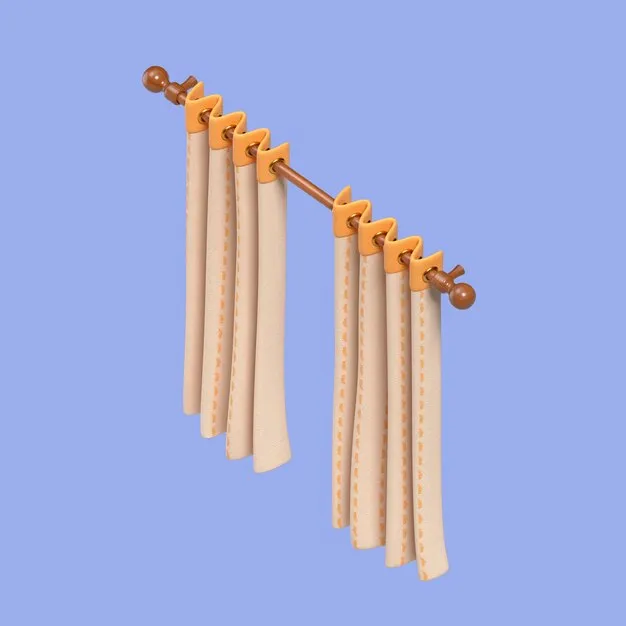
Pleat spacing determines how your drapery hangs, how the pleats stack, and whether the panel looks professionally made. Too few pleats and the panel looks flat. Too many and it becomes tight, stressed, and unable to stack cleanly.
While pleat spacing can be calculated manually, it requires juggling multiple measurements—face width, return, overlap, pleat size, and spacing allowance. Because of this complexity, every workroom uses its own formulas.
EZ Pleating solves this by calculating pleat spacing instantly based on your measurements, pleat type, and fullness. It eliminates the math completely and guarantees consistent spacing every time.
What Determines Pleat Spacing?
The spacing between pleats depends on four variables:
- Finished face width of the panel
- Desired pleat size
- Fullness ratio (2×, 2.25×, 2.5×, etc.)
- Number of pleats the panel requires
These elements must balance so that the pleats distribute across the width without causing tension or fabric waste.
The Manual Formula (Traditional Workroom Method)
Here is the standard workroom approach to calculating pleat spacing:
- Determine your full fabric width (face × fullness).
- Subtract fabric used in all pleats.
- Divide the remaining fabric by the number of spaces.
For example:
- Face width: 50 inches
- Fullness: 2.25×
- Pleat size: 4 inches
- Pleats: 10
Notice how many variables change the result. Even one adjustment, like switching to 2.5× fullness, changes the spacing entirely.
This is why workrooms keep large spreadsheets or hand-written charts. And it’s also why calculations are commonly off by ¼″ to ½″, which leads to misaligned pleats or a panel that doesn’t match its pair.
Why EZ Pleating Is the Better Way
EZ Pleating was built to eliminate the math and the guesswork. Instead of using formulas, you enter your:
- finished width
- fullness
- pleat type
- pleat size
The software instantly calculates:
- exact pleat count
- exact spacing between pleats
- whether spacing lands cleanly or needs adjustment
- the corrected number of pleats for perfect distribution
This is something manual methods can’t do reliably without trial and error. With EZ Pleating, the pleats always land perfectly—even on odd widths, high fullness, or short returns.
Standard Spacing Guidelines (If Calculating by Hand)
If you prefer manual numbers, here are the typical workroom ranges:
- Pinch pleats: 3–5 inches between pleats
- Euro pleats: 3–4.5 inches
- Tailored pleats: 4–6 inches
- Goblet pleats: 6–8 inches
These ranges will not produce perfect results on every project, they’re only starting points. Exact spacing varies with width, fullness, and pleat size.
Pleat Count vs. Pleat Spacing
Many beginners think spacing determines pleat count, but in reality:
Your pleat count determines your spacing.
EZ Pleating checks the math for both to prevent uneven spacing or a “leftover gap” at the end of the panel.
When to Adjust Your Pleat Spacing
- When fullness doesn’t divide evenly
- When pleat size is too large for the panel width
- When hardware limits stack depth
- When the panel must match an existing panel
The software provides warnings for these scenarios and automatically corrects spacing so your panel stays balanced.
Summary
Pleat spacing is the backbone of clean, professional drapery. While manual formulas work, they require careful math and often involve trial, error, and recalculation.
EZ Pleating removes the complexity by giving you perfect pleat spacing instantly, no formulas, no charts, and no wasted fabric.
Accurate spacing ensures:
- consistent, even pleats
- a balanced appearance
- proper stack-back
- matching left and right panels
If you want a simple, accurate, and professional result, use EZ Pleating on every project.
