Curtain Measurement Guide
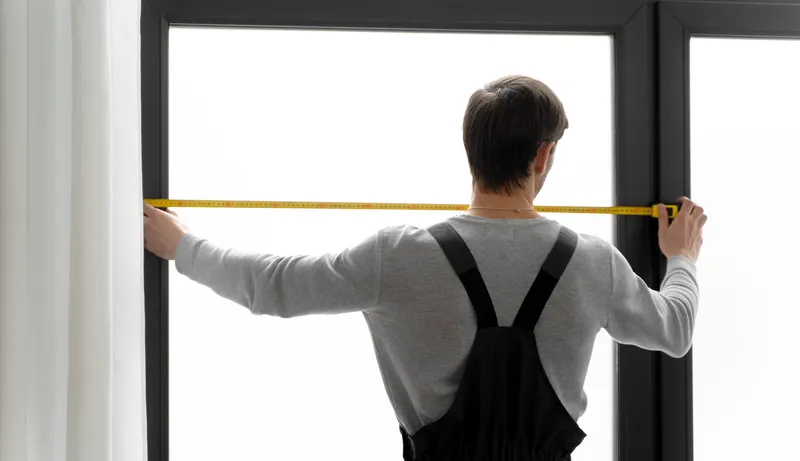
How to Measure for Curtains and Pleated Drapes the Right Way
Measuring correctly is the key to getting curtains that look custom made. Whether you’re planning pleated drapes, grommet panels, or rod-pocket curtains, accurate measurements ensure your curtains hang beautifully and cover your window perfectly.
This guide walks you through everything you need to measure — width, height, fullness, and placement — with clear steps and expert tips.
1. Decide How Your Curtains Will Hang
Before you start measuring, decide where and how your curtains will hang. This affects all other measurements.
- Above the window frame (most common): Mount your rod 4–6 inches above the frame for a taller look.
- Ceiling to floor (full-length drapery): For dramatic, elegant drapes.
- Inside mount: Mounted inside the window frame for a clean, tailored look.
Tip: Hanging your curtains higher and wider than the window makes the window appear larger and lets in more light.
2. Measure Curtain Width
Measure the total width of the area you want to cover, not just the glass.
- Measure from left to right across your curtain rod or desired coverage area.
- If using a single panel, this will be your panel width.
- If using two panels, divide the total width by two for each panel.
Example: If your curtain rod is 80" wide and you want two panels, each panel should cover about 40".
Tip: Always add extra width for fullness — see Step 4 below.
3. Measure Curtain Height (Length)
This depends on where you want your curtains to fall:
| Style | Description | Measurement Tips |
|---|---|---|
| Sill Length | Ends just above the window sill | Measure to ½" above the sill |
| Apron Length | Falls a few inches below the sill | Measure to 4–6" below the sill |
| Floor Length | Just touches or hovers above the floor | Measure to ½" above the floor |
| Puddled | Fabric pools on the floor | Add 2–4" beyond floor length |
Tip: If you’re using pleated drapery hooks, measure from the eye of the hook — not the top of the curtain header.
4. Account for Fullness
Curtains need extra fabric width to look full and elegant, especially for pleated or gathered styles.
| Style | Recommended Fullness | Example |
|---|---|---|
| Flat Panel | 1.5× window width | 80" window × 1.5 = 120" total fabric |
| Pleated Drapes | 2× to 2.5× | 80" window × 2 = 160" total fabric |
| Sheer Curtains | 2.5× to 3× | 80" window × 2.5 = 200" total fabric |
5. Check for Obstructions
Before finalizing, check for anything that could affect your curtain placement:
- Window handles or cranks
- Radiators or vents
- Furniture or baseboards
- Molding around the window
6. Record Your Measurements
Write down:
- Rod width (or desired coverage width)
- Finished curtain length
- Fullness multiplier (1.5×, 2×, etc.)
Keep these handy when ordering fabric or using the EZ Pleating calculators.
7. Calculate Fabric Needed
Once you have your width, length, and fullness, plug them into the EZ Pleating calculator to find out:
- Total fabric width required
- Number of panels
- Pleat spacing and finished width
Quick Tips for a Perfect Fit
- Always round up your measurements — better too long than too short.
- For patterned fabrics, add extra length for pattern repeats.
- Double-check rod type (rings, grommets, or hooks) before finalizing your length.
- Take every measurement twice for accuracy.
Summary
| What to Measure | Why It Matters | Key Tip |
|---|---|---|
| Rod Width | Determines overall coverage | Measure wider than the window |
| Curtain Length | Defines the look and style | Decide sill, floor, or puddled |
| Fullness | Affects drape and elegance | Multiply width by 1.5–2.5× |
| Obstructions | Prevents hanging issues | Check handles, vents, furniture |
