Curtain Pleat Types Explained
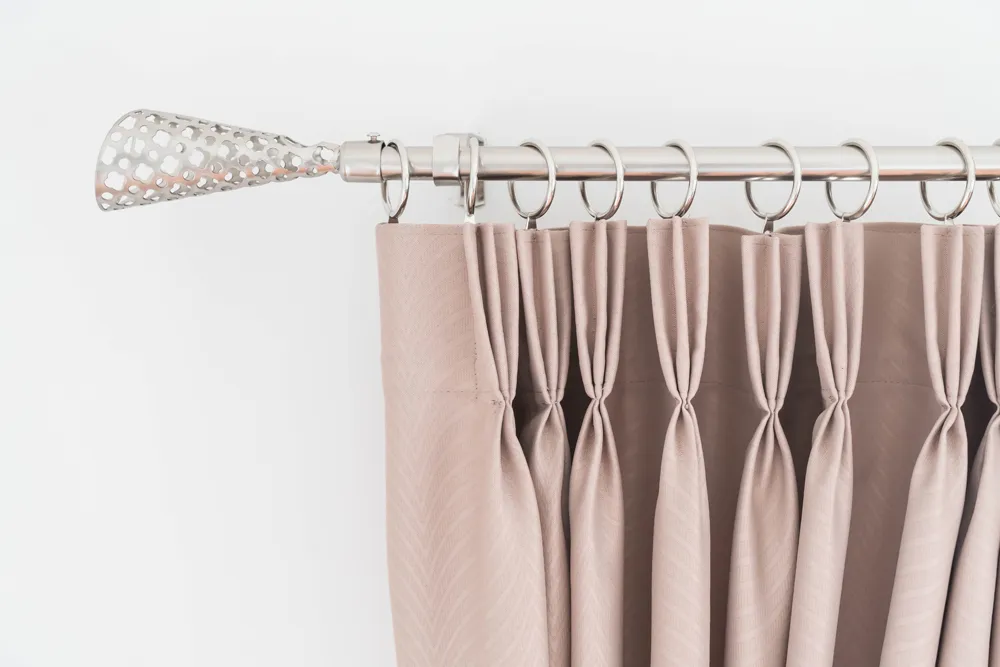
Find the perfect pleat style for your drapery design
Curtain pleats define the structure, fullness, and overall look of your
draperies. Whether you prefer a traditional, tailored appearance or a
modern, relaxed style, understanding the different types of curtain pleats will help you choose the right finish for your project.
Why Pleat Type Matters
Pleats are more than decoration — they control how fabric hangs, how
much fullness is built into each panel, and how the finished curtain
behaves on the rod or track.
- Fullness: Determines how luxurious or minimal the drape
looks
- Stackback: Affects how much window space remains uncovered
- Ease of Operation: Some pleats glide easily, others are
more decorative
Tip: Choose a pleat that fits both your aesthetic and
your hardware — not every pleat works on every track or rod.
Common Curtain Pleat Types
Here are the most popular pleat styles used in professional drapery
workrooms:
Pinch Pleat
The classic pleat — fabric is gathered into groups of two or three
folds (double or triple pinch) and sewn at the base. It creates a
tailored, timeless look with uniform folds and consistent spacing.
- Fullness: 2.0x–2.5x
- Best For: Traditional and formal settings
- Hardware: Drapery rings or traverse rods
Euro Pleat (French Pleat)
Similar to a pinch pleat but tacked at the very top instead of
slightly below. This gives a cleaner, more contemporary finish with
vertical flow.
- Fullness: 2.0x–2.25x
- Best For: Transitional or modern-traditional interiors
Goblet Pleat
Elegant and formal, the goblet pleat features a rounded, open “cup” at
the top of each pleat — often filled with wadding to hold its shape.
Ideal for tall rooms or heavy, luxurious fabrics.
- Fullness: 2.5x–3.0x
- Best For: Formal dining or living rooms
Cartridge Pleat
A continuous rounded pleat that maintains a cylindrical shape from top
to bottom. It’s similar to a goblet pleat but not pinched or tacked —
producing soft, even waves across the panel.
- Fullness: 2.25x–2.5x
- Best For: Decorative stationary panels
Box Pleat
Fabric is folded to create a flat box shape on the front and back. It
hangs neatly and provides a clean, tailored line with less volume than
pinch pleats.
- Fullness: 2.0x
- Best For: Modern and transitional spaces
Pencil Pleat
The most casual and versatile pleat. Fabric is gathered tightly at the
top using header tape, creating narrow, soft folds. Easy to adjust for
different widths.
- Fullness: 1.75x–2.0x
- Best For: Everyday drapery and sheers
Wave Pleat (Ripple Fold)
A sleek, contemporary style where fabric forms consistent “S” waves
across the track. It offers a soft, modern appearance and is ideal for
motorized or track systems.
- Fullness: 1.8x–2.2x
- Best For: Minimalist or modern interiors
Inverted Pleat
Fabric is folded toward the back, creating a clean, flat front. It’s
less decorative but excellent for a structured, architectural look.
- Fullness: 1.75x–2.0x
- Best For: Offices, cafes, and contemporary homes
Pleat Style Comparison
| Pleat Type | Fullness | Style | Best For |
| Pinch Pleat | 2.0x–2.5x | Classic, formal | Traditional rooms |
| Euro Pleat | 2.0x–2.25x | Modern-traditional | Versatile spaces |
| Goblet Pleat | 2.5x–3.0x | Decorative, formal | Luxury interiors |
| Box Pleat | 2.0x | Tailored, structured | Modern homes |
| Wave Pleat | 1.8x–2.2x | Minimalist | Contemporary spaces |
