How Fabric Weight and Lining Affect Pleated Drapes
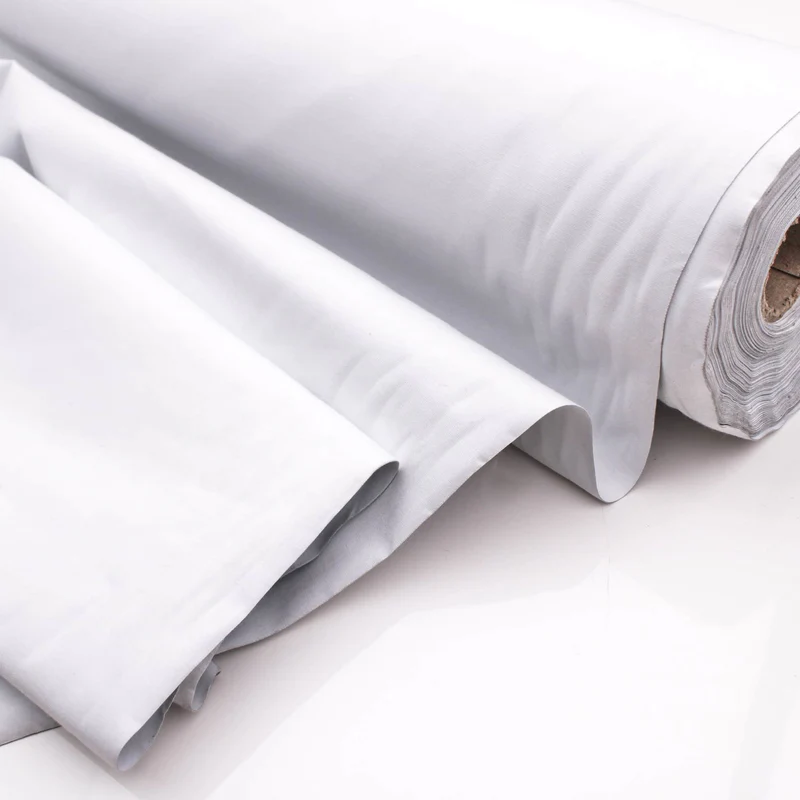
Fabric selection doesn’t stop at color and pattern. In professional drapery fabrication, fabric weight and lining choice directly affect pleat definition, spacing, fullness, and long-term performance. Ignoring these factors is one of the most common reasons pleats collapse, flare, or lose symmetry after installation.
Why Fabric Weight Matters
Fabric weight determines how easily pleats form, how well they hold their shape, and how much structure is required to achieve consistent spacing. Lightweight fabrics behave very differently than heavy or dense textiles.
- Lightweight fabrics tend to collapse without support
- Midweight fabrics hold pleats with standard fullness
- Heavy fabrics require adjusted spacing and returns
Lightweight Fabrics
Sheers, voiles, and lightweight linens lack inherent body. While they create soft folds, they rarely maintain crisp pleat definition without proper lining or interlining.
Professional workrooms typically compensate by:
- Increasing fullness ratios
- Reducing pleat spacing
- Using structured linings to add body
Midweight Fabrics
Midweight fabrics are the most forgiving and predictable for pleated drapery. Cotton blends, standard decorator fabrics, and many poly blends fall into this category.
These fabrics typically:
- Hold pleats cleanly at standard fullness
- Allow consistent spacing without distortion
- Work well with both lined and unlined construction
Heavyweight Fabrics
Velvets, chenilles, and heavily textured textiles introduce compression and resistance. While they create a luxurious appearance, they demand precise spacing and hardware-aware calculations.
With heavy fabrics, pleats can appear wider once hung, which means spacing must be carefully controlled during fabrication.
The Role of Lining
Lining does more than protect fabric from sunlight. It stabilizes pleats, controls drape behavior, and improves symmetry across the panel.
- Unlined: Soft appearance, least structure
- Standard lining: Balanced body and improved pleat memory
- Blackout lining: Increased stiffness and weight
Interlining and Pleat Performance
Interlining adds loft and insulation, but it also changes how pleats behave. It increases stackback, thickens pleat bundles, and alters spacing tolerances.
When interlining is used, pleat spacing must account for:
- Increased fabric bulk
- Reduced compression at the pleat base
- Wider effective pleat widths
Why Pleat Spacing Must Adapt
Fabric weight and lining choices change how much space each pleat occupies once the panel is hung. Using fixed spacing assumptions leads to uneven headers, tight returns, or pleats that fight the hardware.
This is exactly why professional workrooms rely on calculated pleat spacing rather than guesswork.
EZ Pleating automatically adjusts pleat spacing based on fabric behavior, fullness targets, and finished width, eliminating trial-and-error at the worktable.
Professional Takeaways
- Heavier fabrics require tighter spacing control
- Lining adds structure but changes pleat geometry
- Interlining must be factored into spacing and stackback
- Consistent pleats require calculation, not estimation
Summary
Fabric weight and lining directly influence how pleated drapery performs once installed. Understanding these variables, and adjusting pleat spacing accordingly, is the difference between drapery that looks good on the table and drapery that performs flawlessly on the wall.
