Why Pleat Spacing Matters More Than Fullness
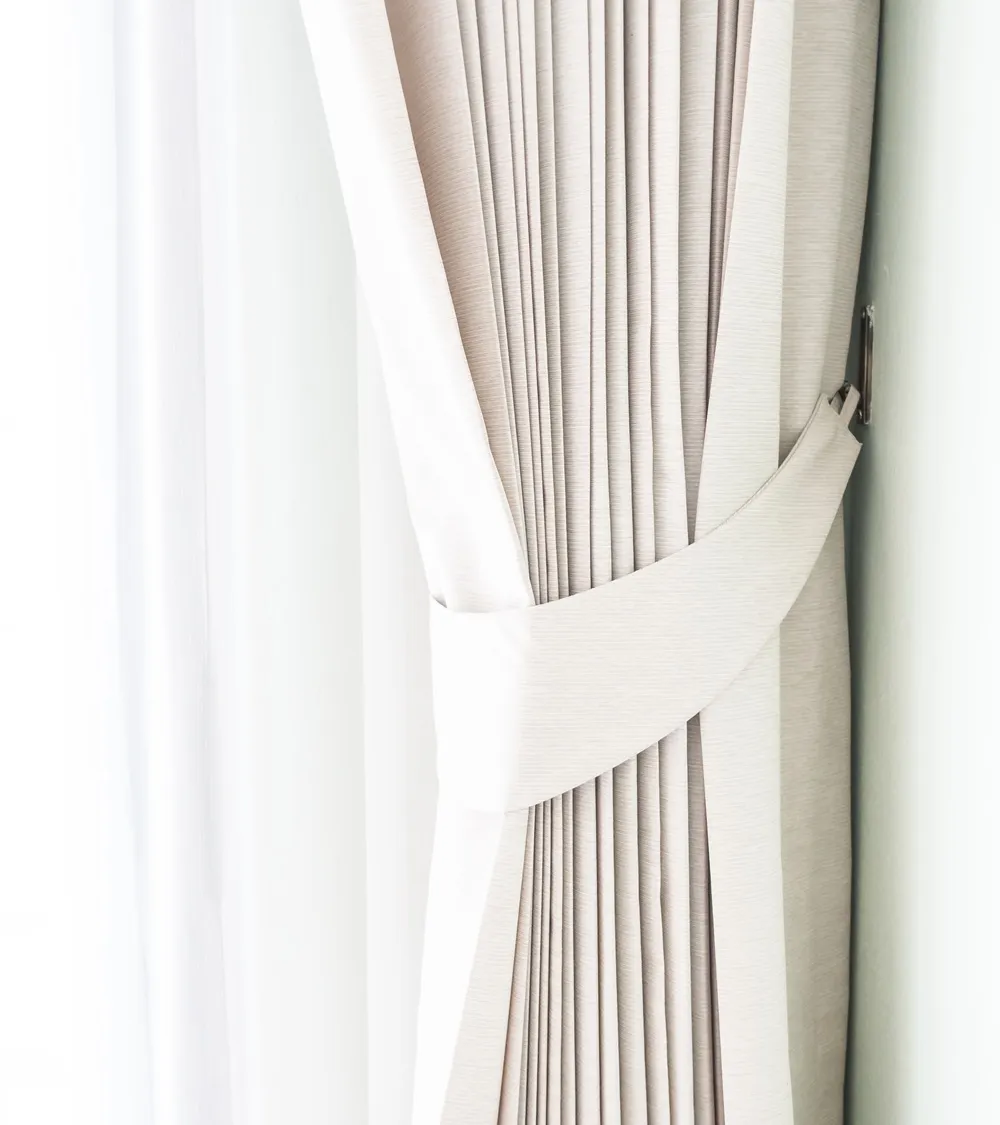
Fullness is often treated as the most important number in drapery fabrication. But in professional workrooms, pleat spacing is what actually determines whether panels look balanced, operate correctly, and install cleanly.
Two panels can use the exact same fullness ratio and still look completely different if the pleats are spaced incorrectly. This article explains why experienced professionals prioritize spacing and how to control it precisely.
Fullness Defines Volume — Spacing Defines Quality
Fullness only answers one question: how much fabric is used. Pleat spacing answers everything else.
- Whether pleats align evenly across the width
- Whether the panel stacks cleanly when open
- Whether the leading and return edges sit correctly
- Whether the drapery looks intentional or improvised
This is why two 2.25× panels can look radically different once installed.
What Is Pleat Spacing?
Pleat spacing is the distance between the centers of adjacent pleats across the finished face width of a panel. It determines how rhythmically the fabric repeats from edge to edge.
Proper spacing creates:
- Visual symmetry
- Consistent stackback
- Predictable pleat depth
- Clean leading and return edges
Why Fullness Alone Fails
Fullness ratios don’t tell you:
- How many pleats to use
- How wide each pleat should be
- How much flat space exists between pleats
- Whether edge pleats will collapse or flare
Without spacing control, workrooms often “float” pleats across the header, adjusting by eye. This leads to uneven gaps, compressed edge pleats, and panels that never quite look centered.
Pleat Spacing Controls Stackback
Stackback is directly affected by pleat spacing, not just fullness. Even spacing ensures that pleats collapse uniformly when opened.
Inconsistent spacing causes:
- Uneven stacking on traverse rods
- Lost window light
- Panels that refuse to park cleanly
Spacing Is What Separates Workroom Drapery From Retail Panels
Retail-ready panels rely on fixed tapes and generic spacing. Professional drapery requires spacing to be calculated based on:
- Finished face width
- Return and overlap
- Pleat style and depth
- Fabric thickness and lining
This is why spacing consistency is one of the first things designers notice even if they can’t articulate what feels “off.”
Why Manual Pleat Spacing Fails at Scale
Calculating pleat spacing by hand is possible, but rarely repeatable. Every change to width, return, overlap, or pleat count forces a full recalculation.
That’s where errors creep in:
- Different panels from the same order don’t match
- Spacing shifts between left and right panels
- Last-minute adjustments break symmetry
Professional Workrooms Calculate Spacing First
Experienced fabricators reverse the typical process:
- Define finished width (including return and overlap)
- Determine ideal pleat count
- Calculate exact pleat spacing
- Adjust fullness to support the spacing
This ensures every panel in a project behaves and appears identical.
Where EZ Pleating Fits In
Pleat spacing is exactly what EZ Pleating was built to solve.
The EZ Pleating software calculates:
- Exact pleat count
- Precise spacing
- Repeatable results across any width or style
Instead of guessing, adjusting, or “eyeballing,” spacing becomes a fixed, predictable output every time.
Pro Tip: When pleat spacing is correct, fullness becomes flexible. When spacing is wrong, no fullness ratio can fix the result.
Summary
Fullness determines how much fabric you use. Pleat spacing determines whether the drapery looks professional.
For consistent results, clean installs, and panels that behave exactly as intended, spacing must be calculated, not improvised. That’s why modern workrooms treat pleat spacing as the primary control point in drapery fabrication.
